
Link building has a reputation problem because so much of it is a transaction dressed up as a relationship. A directory listing, a paid guest post, a batch of exact-match anchors: each produces a chart that moves for a month and a risk that stays for years. The links that hold up are the boring ones, earned because a page was worth citing.
That does not mean waiting for luck. It means building the kind of page other people need to reference, then making sure the right people can find it. The work is slower at the start and much more durable at the end.

What a good link looks like now
A good link sits in the body of a page that covers the same subject, surrounded by text that would make sense without the link. The site has real readers, a real author and a history of publishing. The link is not one of forty in a footer, and the page is not a list of links with no other purpose.
Relevance matters more than a domain score. A small publication for a specific profession can send more qualified visitors than a large general site, and it is far more likely to keep the link. Check the page's other outbound links before you celebrate: a page that links to everything is linking to nothing.
Assets that earn links on their own
The most reliable link asset is original information. A survey with a clear method, a dataset cleaned and published, a calculator that answers a question people actually search for. Each gives a writer a reason to cite you rather than a reason to ignore an email.
The asset does not need to be enormous. A comparison of ten pricing pages, updated quarterly, can become the reference for a whole category. A simple tool that solves one calculation can out-earn a long essay. The test is whether someone could describe the page in one sentence and know why it is useful.
Outreach that does not insult the editor
Most outreach fails because it asks for a favour before offering a reason. A short email that names the specific page, explains what is new or different, and links to the evidence will outperform a template every time. Do not pretend to have read a page you have not read.
Send fewer emails and make each one worth opening. A hundred generic messages produce a handful of links and a damaged domain reputation. Twenty specific ones produce fewer links but better ones, and the relationships survive the campaign.
A link is a citation. If the page would not be cited without the email, the email is the product, not the page.
Directories, guest posts and the grey zone
Some directories are legitimate: trade associations, local chambers, professional registers. Most are not. The difference is whether a real person would use the listing to find a business, and whether the site has any audience beyond people buying links.
Guest posting is not automatically bad. A genuine article on a publication with an editor and readers can be a good link. A post published within hours, with a keyword-rich author bio and no editorial changes, is a paid placement in disguise. If the terms mention a fee per link, treat it as advertising and expect the risk that comes with it.

Anchor text and internal links
Anchor text should describe the destination in language a reader would use. A sentence like "our guide to cloud cost control explains the billing lines" reads naturally and gives a search engine context. Repeating the same commercial phrase across every link looks manufactured and is easy to discount.
Internal links are the part of link building you fully control. Link new pages from relevant older pages, keep the anchors descriptive, and make sure the important pages are reachable within a few clicks. A strong internal link graph can do more for a small site than a handful of external mentions.
Measuring links without vanity metrics
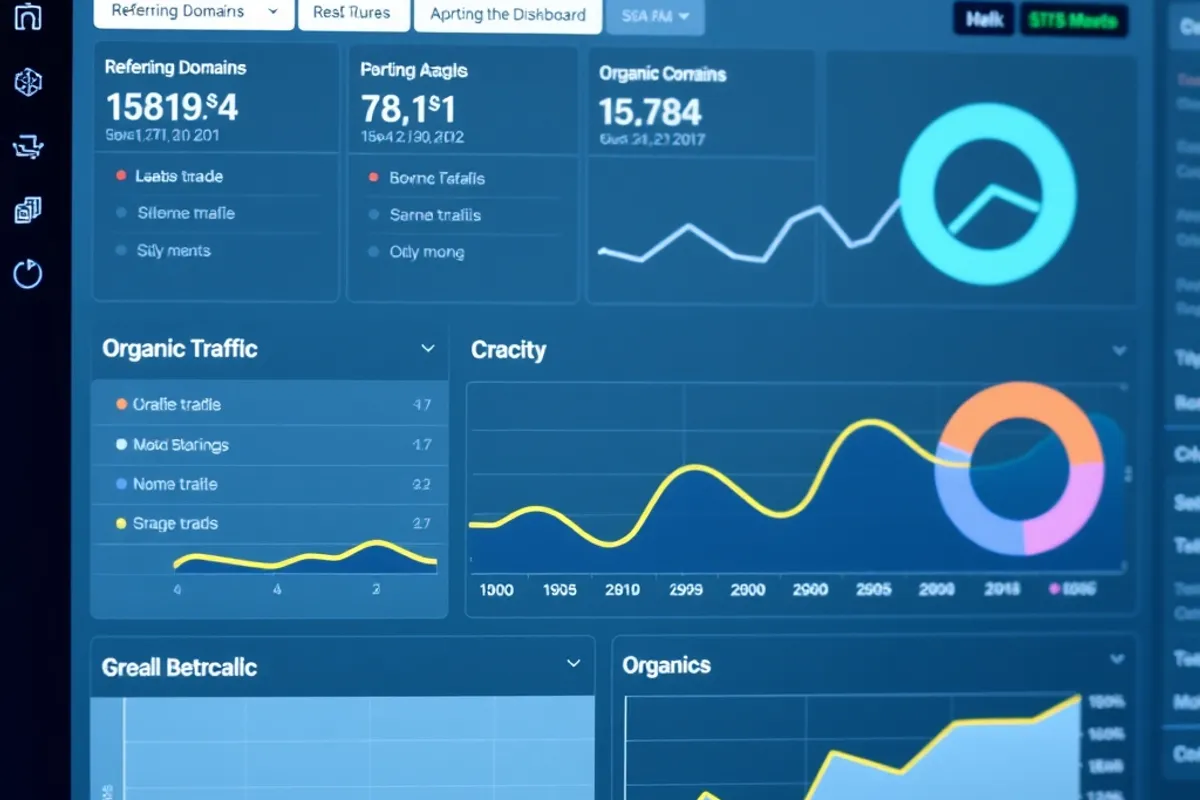
Count referring domains, not total links. A single link from a page that gets updated and read is worth more than fifty from a scraper. Watch whether the linked page attracts traffic and whether that traffic does something useful: reads another page, subscribes, converts.
Track the pages that earn links over time and the topics that attract them. If one asset keeps getting cited, make more like it. If a campaign produced links that disappeared within a quarter, the tactic was rented, not earned.
- Record the referring page, the anchor and the date the link was first seen.
- Check monthly whether the link is still live and still followed.
- Compare referral traffic and conversions, not just domain count.
- Note which assets earn links without outreach and repeat the format.
A quarterly link plan for a small site
Pick one asset to build, one list of twenty relevant pages to contact, and one internal linking pass. That is enough for a quarter. Publish the asset first, give it a few weeks to be indexed, then send the emails with a specific reason for each. Review what worked before planning the next quarter.
For the PR side of the same work, read our guide to digital PR for link building. For the pages that turn the visit into revenue, see our Affiliate Marketing section.