Digital PR sounds like a department a small team cannot afford. In practice it is a repeatable process: find a fact worth reporting, package it so a journalist can check it in minutes, and send it to the people who cover that subject. The expensive part is usually the agency, not the work.
The advantage of a small team is speed and specificity. You can publish a dataset, answer a follow-up question and update a chart the same day. That responsiveness is often worth more to a reporter than a glossy press kit.

Why digital PR beats mass outreach
Mass outreach asks for a link. Digital PR offers a story. The first is a request for a favour; the second is a piece of work a journalist can use. Editors are paid to find stories, and a well-packaged fact is easier to accept than a polite email about a product.
It also produces better links. Coverage in a publication that covers your subject sits in context and is more likely to be read. A directory link may pass a metric, but it does not send a reader.
Finding a story in your own data
Start with information you already have: customer questions, support tickets, pricing changes, search data, survey results. Look for a comparison, a trend or a surprise. "The average price rose" is not a story. "The cheapest plan rose faster than the premium plan" is.
If you do not have proprietary data, you can still build a useful index from public sources. Collect the same figure across twenty providers, clean it, date it and publish the method. The value is in the collection and the consistency, not in a secret source.
Building the asset journalists need
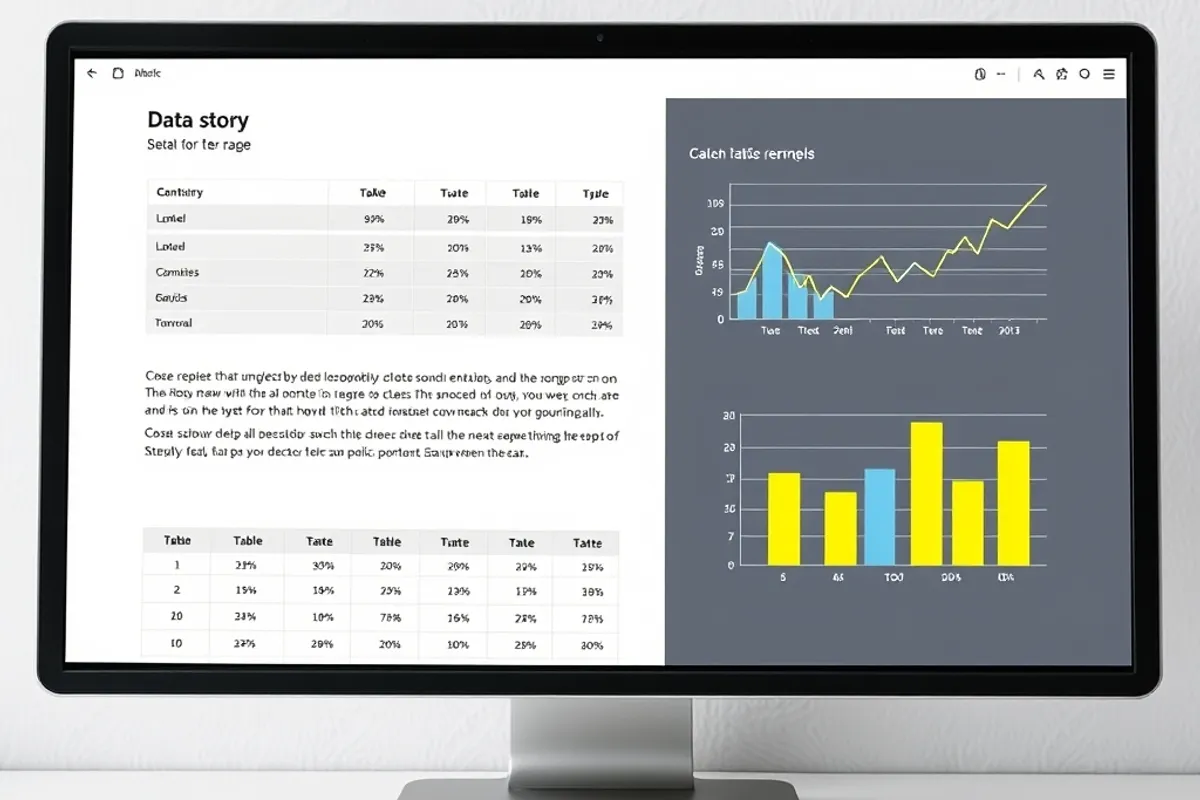
A journalist needs three things: the headline number, the method and a way to verify it. Put all three on one page. Include a table that can be copied, a chart that can be embedded, and a short note on how the data was collected and when.
Name the file clearly and keep the URL stable. A PDF with no text layer is hard to search; a page with a table is easy to cite. Add a contact name and a response time so an editor knows who to ask when a number looks odd.
A press release announces. A data page proves. The second one gets the link.
The pitch that gets opened
The subject line should contain the finding, not the brand. "Our new report" is a delete. "The cheapest cloud plan rose 34 percent in a year" is an open. Keep the email short: the number, why it matters, the link and an offer to send the raw data.
Personalise the first line with something specific about the journalist's recent work. If you cannot find anything specific, the pitch is probably going to the wrong person. A short list of well-matched recipients beats a large list of strangers.
Follow-up without nagging
One follow-up, three or four days later, is reasonable. It should add something: a new angle, an updated figure or an offer to answer questions. A second follow-up after a week is the limit. If there is no reply after that, the story was not right for that desk.
Keep a simple record of who was contacted, when and with what. When a similar story appears next quarter, you will know who covered the topic and who ignored it. That record is more valuable than another list of addresses.
Tracking coverage and links
Track mentions separately from links. A mention without a link still builds awareness, and some publications add the link later. Record the publication, the page, the date and whether the link is followed. Check again after a month, because coverage pages are often updated.
Measure the traffic the coverage sends and whether those visitors read a second page. A link from a high-traffic site that sends people who bounce in three seconds is worth less than a smaller, better-matched mention. The goal is qualified attention, not a screenshot of a logo wall.
A 30-day campaign plan
- Days 1 to 5: choose the question and collect the data from public sources.
- Days 6 to 10: clean the data, write the method and build the page.
- Days 11 to 14: design one chart and prepare a short summary for email.
- Days 15 to 20: build a list of twenty well-matched journalists and publications.
- Days 21 to 25: send the first pitch, then one follow-up with a new angle.
- Days 26 to 30: record coverage, check links and plan the next question.
For the broader link strategy, read our guide to earning links that last. For the content the coverage should point to, see our Web Tools section.