
Affiliate content has one job that matters more than conversion: helping a reader make a decision they will not regret. When that happens, the click and the commission follow. When it does not, a short-term sale becomes a refund, a complaint and a reader who never returns.
The tactics that lift conversion in the short term often damage the asset that produces it. Fake urgency, hidden disclosure and a list of ten options with no clear winner all work for a week and cost more than they earn. The durable approach is slower and easier to defend.
Trust is the conversion mechanism
A reader who trusts you will click a link you recommend. A reader who does not trust you will not click, no matter how many buttons you add. Trust is built by being specific: naming the trade-off, saying who the product is not for, and admitting when a cheaper option is better.
That sounds like it would reduce conversions. In practice it increases them, because the reader stops comparing and starts deciding. A clear recommendation removes the fear of choosing wrong, which is the real obstacle in most buying guides.
Disclosure that readers accept
Put the disclosure above the recommendation, in plain language. "If you buy through a link on this page, we may earn a commission. It does not change the price you pay." That is enough. A footnote in grey text at the bottom is technically present and practically invisible.
Disclosure does not have to be a legal paragraph. One honest sentence near the top is more effective than a page of terms. Readers forgive a commercial relationship they can see; they do not forgive one they discover later.

The comparison table that works
A comparison table converts when the criteria are explicit and few. Pick the three or four things that actually change the decision: price, limit, support, contract length. Put the winner in the first row and explain why in one sentence above the table.
Do not stuff the table with twenty features that all say yes. A table where every row is green tells the reader nothing and pushes the decision back to them. The value is in the difference, not the completeness.
A recommendation is a decision made on the reader's behalf. Make it clearly, and show the working.
Testing claims you cannot verify
You cannot test everything, and pretending otherwise is a fast way to lose credibility. If a claim comes from the vendor, say so. If you tested a product for two weeks, say that instead of implying a year. If a feature is only available on the top plan, put it in the row where it belongs.
Screenshots and dates help. A pricing page changes; a screenshot with the date visible tells the reader when the number was true. When you cannot verify a claim, leave it out or label it as the vendor's statement.
Updating old affiliate pages
Affiliate pages decay. Prices change, features ship, a product is discontinued and the recommendation becomes wrong. A page that was accurate two years ago can quietly cost you money and trust at the same time.
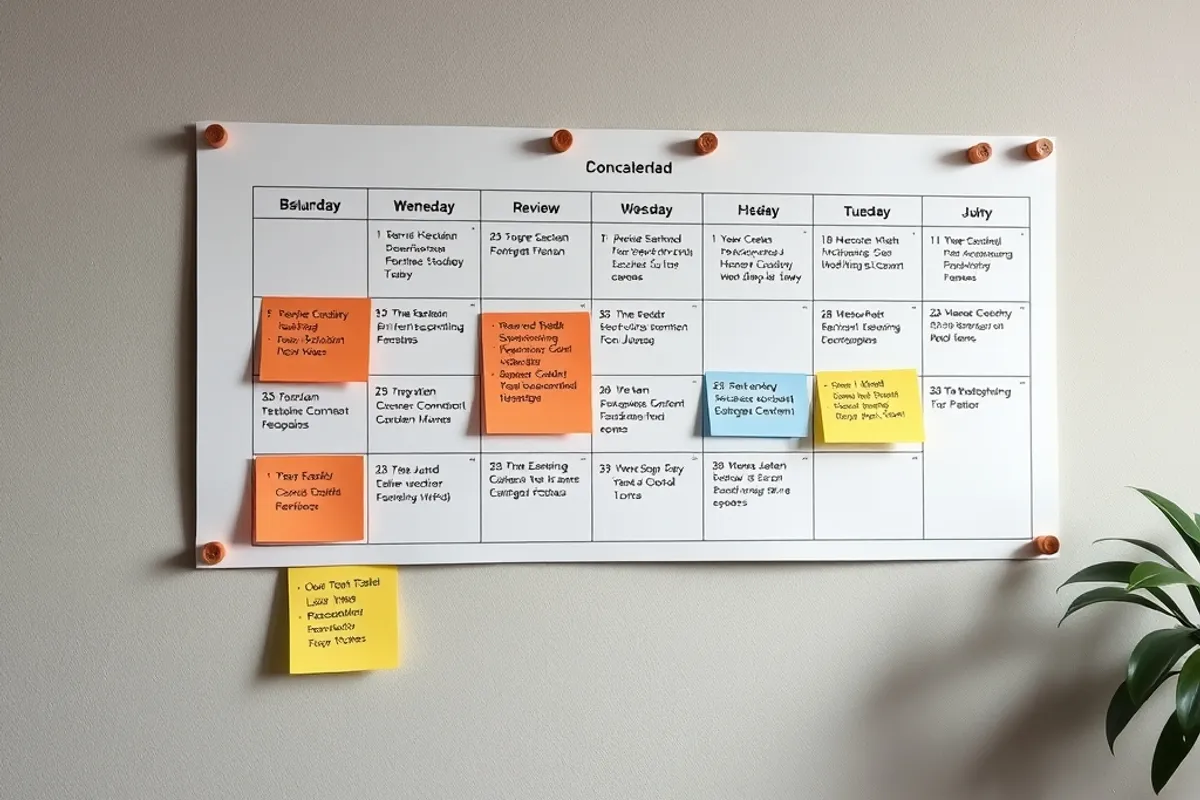
Put every affiliate page on a review calendar. Check the price, the availability, the commission terms and the top three claims. Update the date at the top so a reader knows the page is current. If a product no longer deserves the recommendation, remove it and explain the change.

Measuring clicks and earnings honestly
Track clicks, conversion rate and earnings per thousand visitors, but do not optimise the click at the expense of the sale. A page with a high click rate and a high refund rate is not working. Look at the quality of the traffic and the products people keep.
Compare pages by intent, not by raw traffic. A small page that answers a specific buying question can out-earn a popular page that attracts browsers. Segment by topic and by position in the buying journey before drawing conclusions.
An editorial checklist before you publish
- The disclosure is above the first recommendation and written in plain language.
- The recommendation is specific and names who should not buy it.
- The comparison table uses few criteria and shows a real difference.
- Every price has a date and every vendor claim is labelled.
- Internal links point to related guides that help the decision.
- The page is on a review calendar with an owner and a next date.
For the program side of the same work, read our guide to choosing affiliate programs that pay. For the pages that host the content, see our Web Tools section.